Welcome to the Purple Cabbage Hub!
Here at the Purple Cabbage Hub, we're dedicated to providing tips, fun facts, and recipes aimed sharpen everyday throughout all stages of life.

Stay tuned for updates!

Purple cabbage, also known as red cabbage, is a type of cruciferous vegetable that is often overlooked in the produce aisle. While it may not be as popular as its green counterpart, purple cabbage offers a variety of benefits and can be a delicious addition to any meal. In this blog post, we will explore three benefits of purple cabbage and why you should consider adding it to your grocery list.
1. Rich in Nutrients and Antioxidants
Purple cabbage is packed with essential nutrients and antioxidants. It is a great source of vitamin C, which is important for immune function and skin. In fact, one cup of purple cabbage provides over 50% of your daily recommended intake of vitamin C. It is also high in vitamin K, which is essential for bones and blood clotting.
In addition to vitamins, purple cabbage is rich in antioxidants such as anthocyanins, which give it its vibrant color. These antioxidants help protect cells from damage and may have anti-inflammatory effects. Purple cabbage also contains sulforaphane, a compound that has been linked to a reduced risk of chronic diseases such as cancer, heart disease, and diabetes.
2. Supports Digestive Health
Purple cabbage is a good source of fiber, with one cup providing about 2.2 grams. Fiber is important for digestive health as it helps regulate bowel movements and can prevent constipation. It also serves as food for the good bacteria in our gut, promoting balance in gut bacteria.
Furthermore, purple cabbage contains a compound called glucosinolate, which has been shown to have anti-inflammatory and anti-microbial properties. This can help improve the gut and reduce the risk of digestive issues such as ulcers and inflammatory bowel disease.
3. Versatility in Cooking
One of the best things about purple cabbage is its versatility in cooking. It can be eaten raw in salads, shredded and added to coleslaw, or cooked in a variety of dishes. Its vibrant color can add a pop of color and nutrition to any meal. It also has a slightly sweeter and milder taste compared to green cabbage, making it a great option for those who may not enjoy the taste of regular cabbage.
Purple cabbage is also a great ingredient to use in stir-fries, soups, and stews. It holds up well when cooked, keeping its crunch and color. You can even use it as a wrap for tacos or sandwiches instead of traditional tortillas or bread.
In conclusion, purple cabbage is a highly nutritious and versatile vegetable that can offer a range of benefits. From its high vitamin and antioxidant content to its potential digestive support, there are plenty of reasons to incorporate this colorful veggie into your mealtimes. So next time you're at the grocery store, don't pass by the purple cabbage – give it a try and reap all of its benefits!
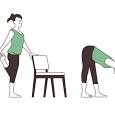
Staying fit and active is important for all stages of life. However, in our busy lives, it can be challenging to find time to hit the gym or go for a run. But what if I told you that you can get a good workout right from the comfort of your chair? Yes, you heard it right – chair exercises are a great way to stay active and fit, even if you have a sedentary lifestyle. In this blog post, we will be sharing 3 chair exercises that you can do anywhere, anytime.
1. Seated Leg Raises:
This exercise targets your leg muscles, including your quadriceps, hamstrings, and glutes. To perform this exercise, sit on a chair with your feet flat on the ground and your back straight. Hold onto the sides of the chair for support. Slowly lift one leg off the ground, straightening it in front of you. Hold for a few seconds and then slowly lower the leg back to the starting position. Repeat with the other leg. Aim for 10-12 repetitions on each leg. To make it more challenging, you can add ankle weights.
2. Chair Dips:
This exercise works your triceps, chest, and shoulders. Sit on the edge of your chair with your hands gripping the edge of the seat on either side of your hips. Walk your feet forward, keeping your knees bent, and your feet flat on the ground. Slowly lower your body by bending your elbows until your upper arms are parallel to the ground. Hold for a second and then push yourself back up to the starting position. Aim for 10-12 repetitions. You can increase the intensity by placing your feet on a raised surface, such as another chair or a step.
3. Seated Twist:
This exercise is great for strengthening your core muscles. Sit on a chair with your feet flat on the ground and your back straight. Place your hands behind your head with your elbows out to the sides. Slowly twist your upper body to the right, bringing your left elbow towards your right knee. Hold for a second and then return to the starting position. Repeat on the other side. Aim for 10-12 repetitions on each side. You can make it more challenging by holding a water bottle or a weight in your hands.
These are just a few examples of chair exercises, but the possibilities are endless. You can also try chair squats, seated calf raises, or even chair yoga. The best part about these exercises is that you can do them while watching TV, working at your desk, or even during a break at work. They are also great for people with mobility issues or those recovering from an injury.
Remember to consult your doctor before starting any new exercise routine, especially if you have any medical conditions. Also, make sure to listen to your body and take breaks when needed. As always, stay hydrated and stretch before and after your workout.
In conclusion, chair exercises are a convenient and effective way to stay active. So, the next time you find yourself sitting for long periods, try incorporating these exercises into your routine. Your body will thank you for it!